
When you are supporting concrete pours or heavy equipment at height, the scaffolding system you choose can make or break the job. Cuplock has been a familiar name on construction sites for years, but more project managers are now turning to Ringlock scaffolding for demanding load conditions. The reason comes down to how each system distributes weight.
The Node Makes the Difference
The most obvious distinction between Ringlock and Cuplock is the connection point. In a Cuplock system, the cup node restricts the ledger to a single fixed angle. In a Ringlock scaffolding system, the rosette node accepts ledgers and diagonals at multiple angles. That extra flexibility means loads spread across more members rather than concentrating on just a few connection points.
This matters most when the scaffolding must carry heavy wet concrete, stacked materials, or dynamic loads from vibrating equipment. Ringlock system scaffolding transfers vertical forces directly through the standard, while the multi-directional node design reduces twisting and bending stress that Cuplock often struggles with. For bridge decks or oil and gas platforms where safety margins are tight, this is not just an advantage—it is a necessity.
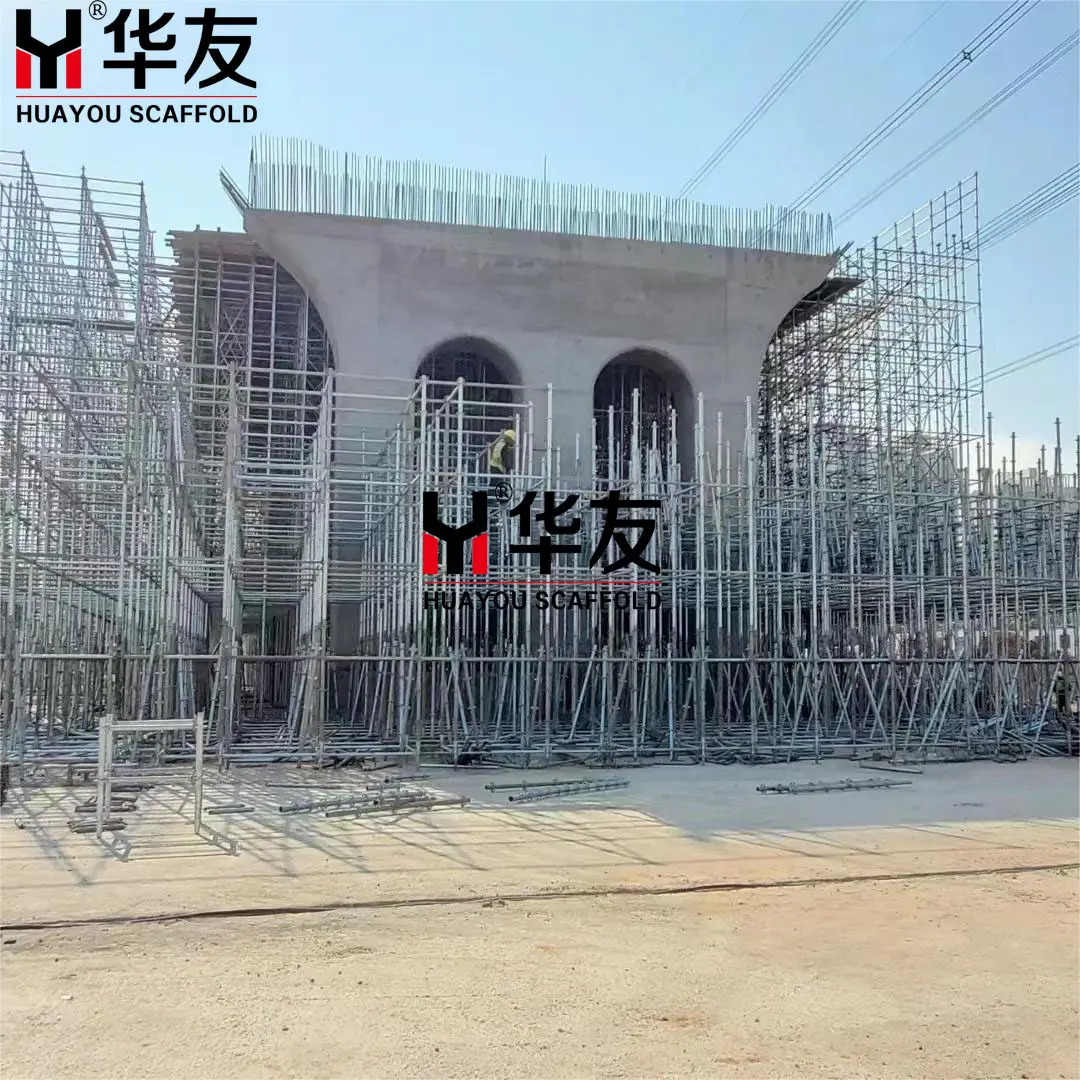
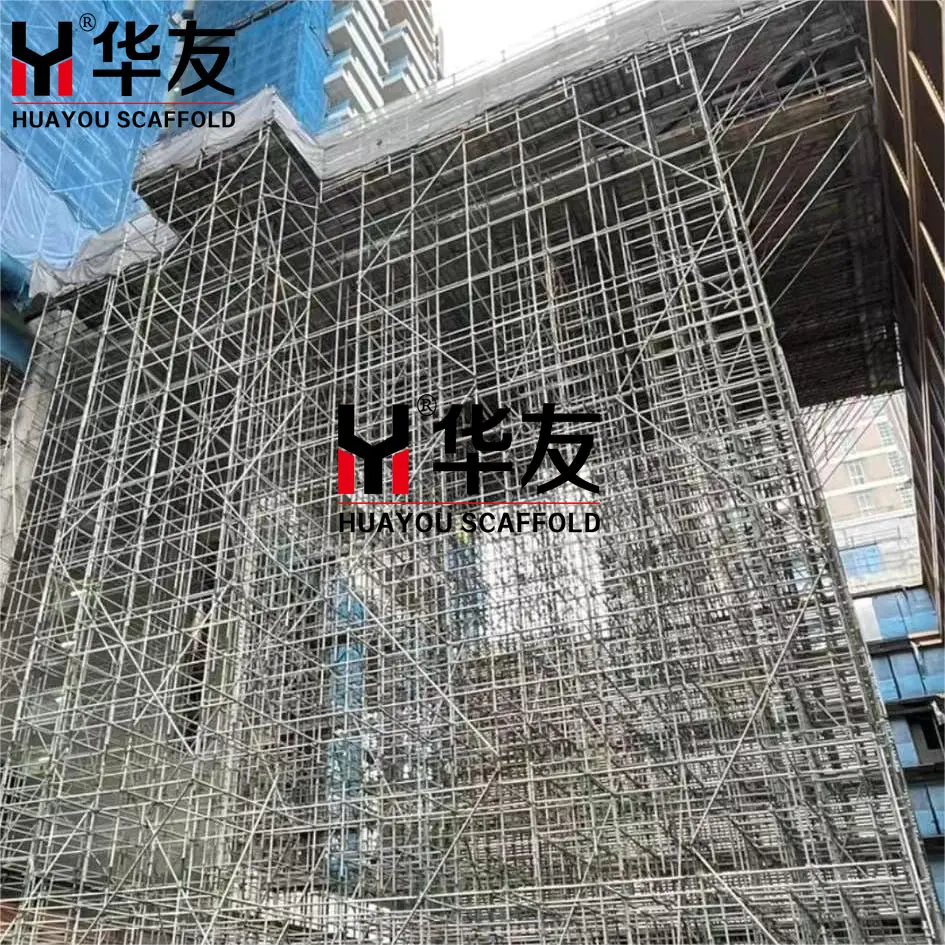
Built for Faster Assembly and Greater Stability
Speed is another factor where Ringlock outperforms Cuplock. The wedge pin connection in Ringlock scaffolding requires only a hammer blow to lock, compared to the cup-and-wedge method that often demands more force and careful alignment. This means fewer labor hours erecting the frame and less time spent on adjustments.
Stability on heavy-load jobs also depends on the bracing. Ringlock system scaffolding includes integrated diagonal braces that lock directly into the rosette, forming rigid triangles that prevent racking. Cuplock systems typically require separate couplers for bracing, which adds connection points that can become loose under vibration. For jobs like stadium grandstands or tunnel shoring, where the load path changes as construction progresses, the Ringlock’s rigid bracing gives crews consistent performance throughout the project.
The Material Advantage
High tensile steel with anti-rust coating is standard across all our Ringlock components—standards, ledgers, diagonals, steel planks, lattice girders, brackets, and jacks. This surface treatment extends service life, particularly in coastal or humid environments where corrosion can weaken load capacity over time. Cuplock systems often use similar steel, but the larger contact area in the rosette node means less wear per connection, keeping the system tight even after repeated assembly cycles.
Key Advantage: Full Component Range
The full range—including steel access decks, ladders, stair units, base collars, toe boards, and adjustable jacks—is available as a complete package, so you are not mixing mismatched parts from different sources.
What a Ringlock Scaffolding Manufacturer Brings to Your Project
Choosing a Ringlock scaffolding manufacturer that understands heavy-load applications is as important as the system itself. Our operation is located in Tianjin and Renqiu City, an area known as the largest steel scaffolding manufacturing base in China. That location gives us direct access to raw materials and nearby Tianjin Xingang Port for efficient worldwide shipping.
We have been producing steel scaffolding and formwork for over a decade. When you need Ringlock system scaffolding for heavy civil works or industrial maintenance, we deliver components that meet exact design specifications. The full range—including steel access decks, ladders, stair units, base collars, toe boards, and adjustable jacks—is available as a complete package, so you are not mixing mismatched parts from different sources.
The Final Takeaway
Cuplock still works for many standard access jobs. But when heavy loads enter the picture, Ringlock scaffolding gives you a stronger, more stable, and quicker erecting system. It is a straightforward choice for project teams who need reliable performance under demanding conditions.
Tell us your load requirements and project type, and we will recommend the right Ringlock configuration—whether that is a simple access tower or a complex shoring system for a major infrastructure project.
Post time: Jun-18-2026


