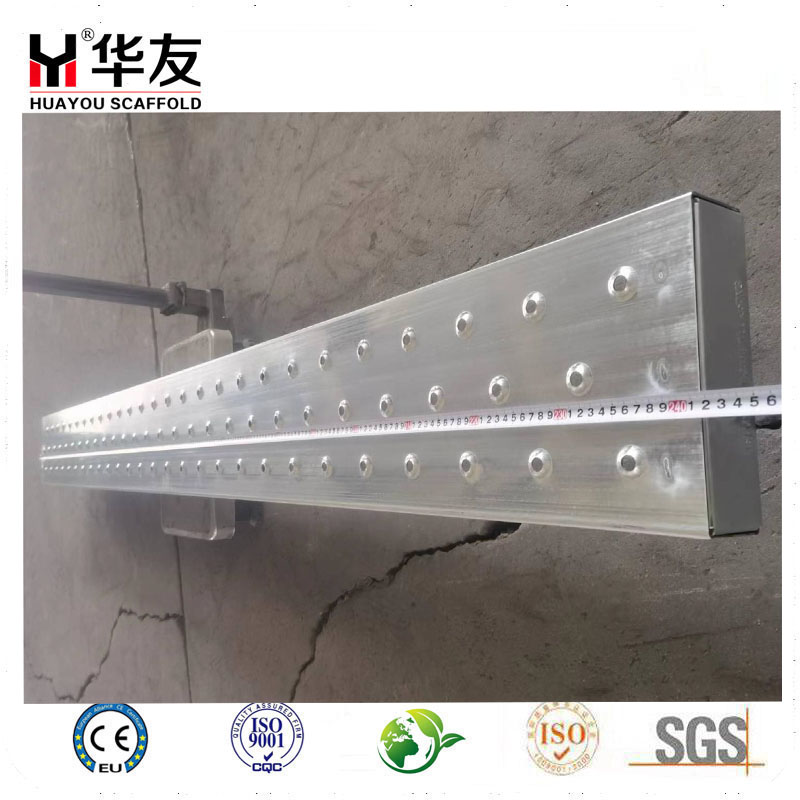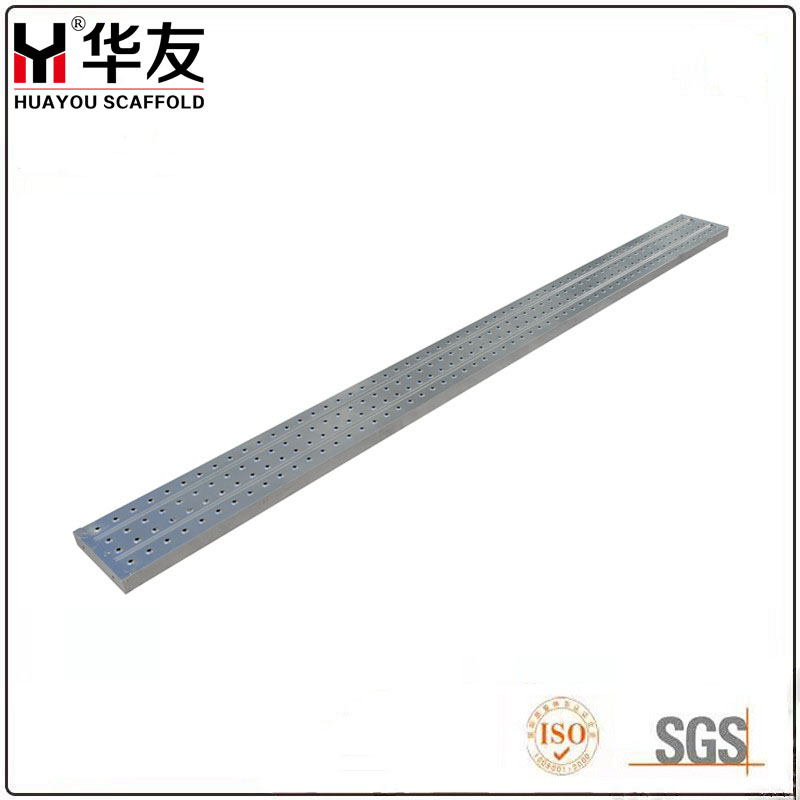
Steel Pipe Scaffold – Built for Heavy Loads


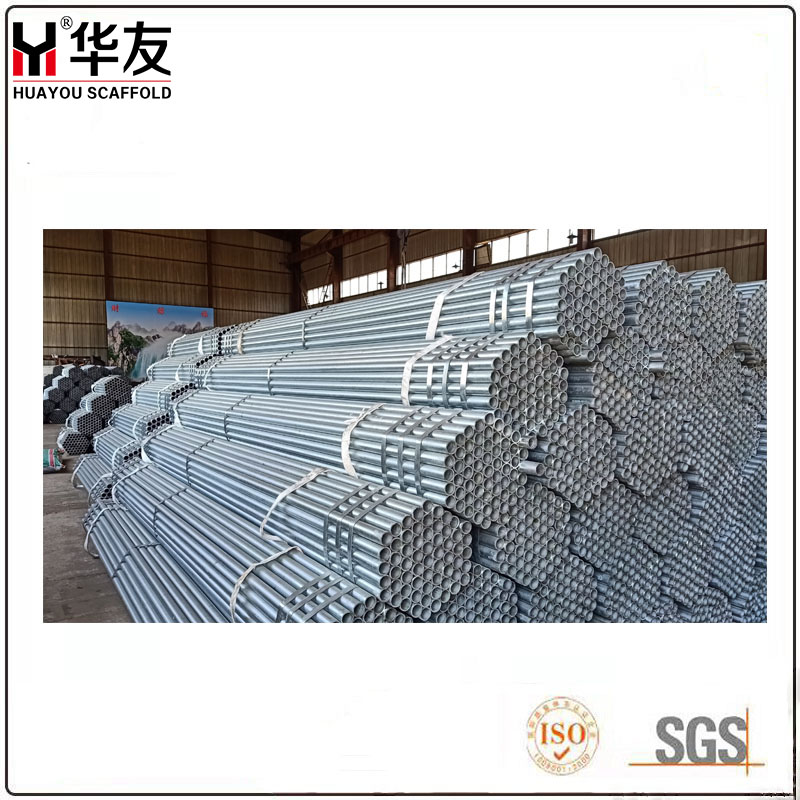
Scaffolding steel pipe is essential for modern construction and industrial projects. Unlike bamboo tubes, which lack safety and durability and are now limited to small rural buildings, steel pipes offer superior strength, stability, and longevity. They ensure worker safety while meeting national material standards for smooth surfaces, no cracks, no bending, and rust resistance.
Size as following
|
Item Name |
Surface Treament |
Outer Diameter (mm) |
Thickness (mm) |
Length(mm) |
|
Scaffolding Steel Pipe |
Black/Hot Dip Galv.
|
48.3/48.6 |
1.8-4.75 |
0m-12m |
|
38 |
1.8-4.75 |
0m-12m |
||
|
42 |
1.8-4.75 |
0m-12m |
||
|
60 |
1.8-4.75 |
0m-12m |
||
|
Pre-Galv.
|
21 |
0.9-1.5 |
0m-12m |
|
|
25 |
0.9-2.0 |
0m-12m |
||
|
27 |
0.9-2.0 |
0m-12m |
||
|
42 |
1.4-2.0 |
0m-12m |
||
|
48 |
1.4-2.0 |
0m-12m |
||
|
60 |
1.5-2.5 |
0m-12m |
Advantages
1.High strength and high safety, replacing traditional bamboo tubes
Unlike the bamboo pipe scaffolding that is only applicable to small self-built houses in rural or backward areas and has low safety and poor durability, our scaffolding uses steel pipes with smooth surfaces, no cracks, easy to bend and not prone to rust. It complies with relevant national material standards and can meet the strict requirements for stability and durability in modern construction.
2. High-zinc coating, with superior anti-corrosion performance compared to competitors.
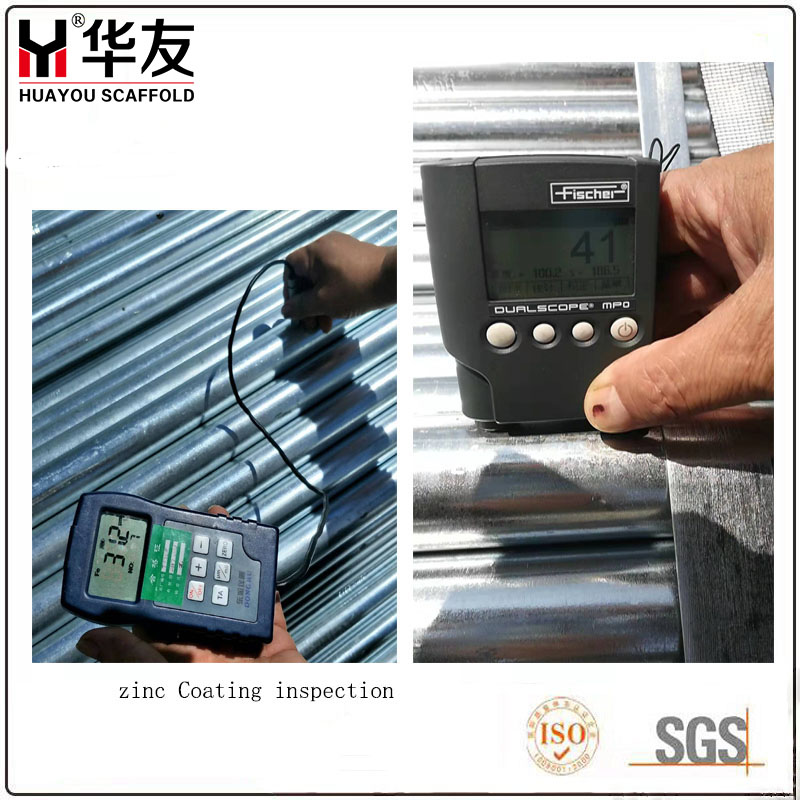
Our scaffold steel pipes are coated with a high zinc layer, with a zinc content of up to 280g. In contrast, ordinary factories only provide 210g. The higher zinc content significantly enhances the corrosion resistance of the steel pipes, prolonging their service life. It is particularly suitable for long-term use in harsh environments such as marine engineering, oil and gas pipelines, and shipbuilding.
3. Standard outer diameter design, highly adaptable, and capable of secondary processing.
It adopts a standard outer diameter of 48.3mm, with a wall thickness range of 1.8 - 4.75mm. It is made of high-carbon steel through the resistance welding (ERW) process. Not only can it be perfectly used with scaffold couplings (tube and coupler system), but it can also be further processed into other types of scaffold systems such as ringlock and cuplock. Its application fields cover pipeline processing, shipbuilding, grid structure, marine engineering, oil and gas, and other extensive industries.
Basic information
1.Brand:Huayou
2.Material: Q235, Q345, Q195, S235
3.Standard: STK500, EN39, EN10219, BS1139
4.Safuace Treatment: Hot Dipped Galvanized, Pre-galvanized, Black, Painted.
FAQS
1.Q: What are the main materials and common specifications of scaffold steel pipes?
A: The commonly used steel grades for scaffold steel pipes include Q195, Q235, Q355, S235, etc., which can meet different standards such as EN, BS, JIS, etc. The most commonly used outer diameter in modern construction is 48.3mm, with a wall thickness range of 1.8 - 4.75mm. It is produced by high-frequency resistance welding (ERW) and is made of high-carbon steel.
2. Q: Compared to traditional bamboo pipes, what are the advantages of scaffold steel pipes?
A: Bamboo pipes were once commonly used as scaffold materials, but due to their lack of safety and durability, they are now only used in rural areas or less developed urban districts for self-built small houses. Modern construction places greater emphasis on the safety of workers' operations and the overall stability and durability of scaffolds. Therefore, steel pipes with smooth surfaces, no cracks, not prone to bending, not prone to rust, and meeting national material standards have become the best choice.
3. Q: Can the scaffold steel pipes be processed into other types of scaffold systems?
A: Yes. The scaffold steel pipes can not only be directly used for construction, but also can be further processed as raw materials to make other types of scaffold systems, such as the ringlock scaffold system and the cuplock scaffolding, etc.
4. Q: What advantages do your company's scaffold steel pipes have in terms of zinc coating thickness?
A: Our scaffold steel pipes are coated with a high zinc layer using a specific process. The zinc coating thickness can reach 280 grams, while other factories usually only offer 210 grams. A higher zinc coating thickness means better rust prevention and corrosion resistance, and extends the service life of the steel pipes.
5. Q: In which industries and fields are scaffold steel pipes mainly applied?
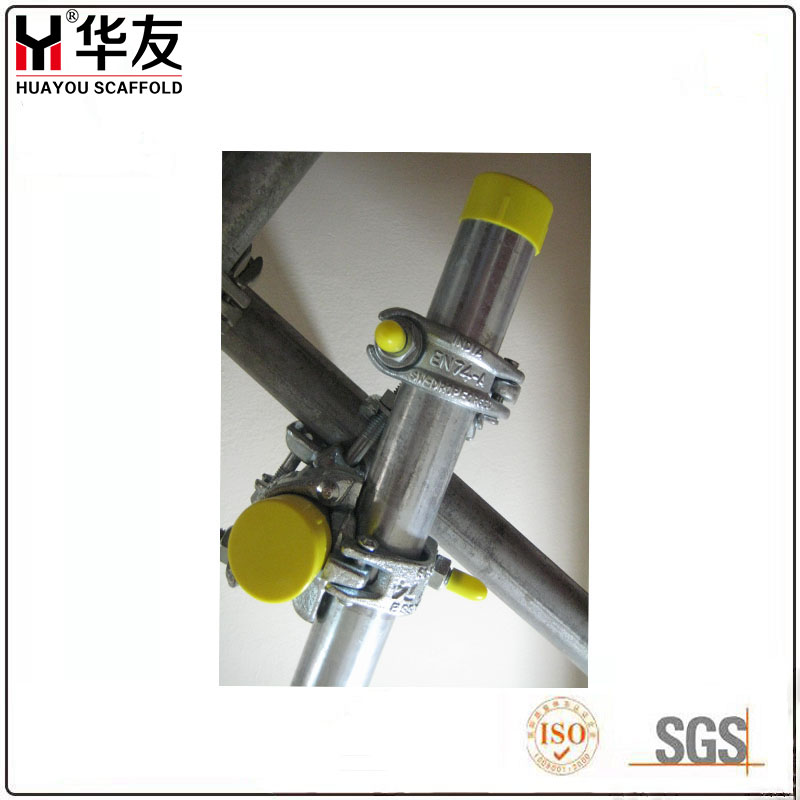
A: Scaffold steel pipes are widely used in various fields such as pipeline processing, shipbuilding, grid structures, steel marine engineering, oil pipelines, oil and gas industry scaffolding, and many other industrial scenarios. They are usually used in conjunction with scaffold fasteners to form a pipe-and-fastener type scaffold system.